
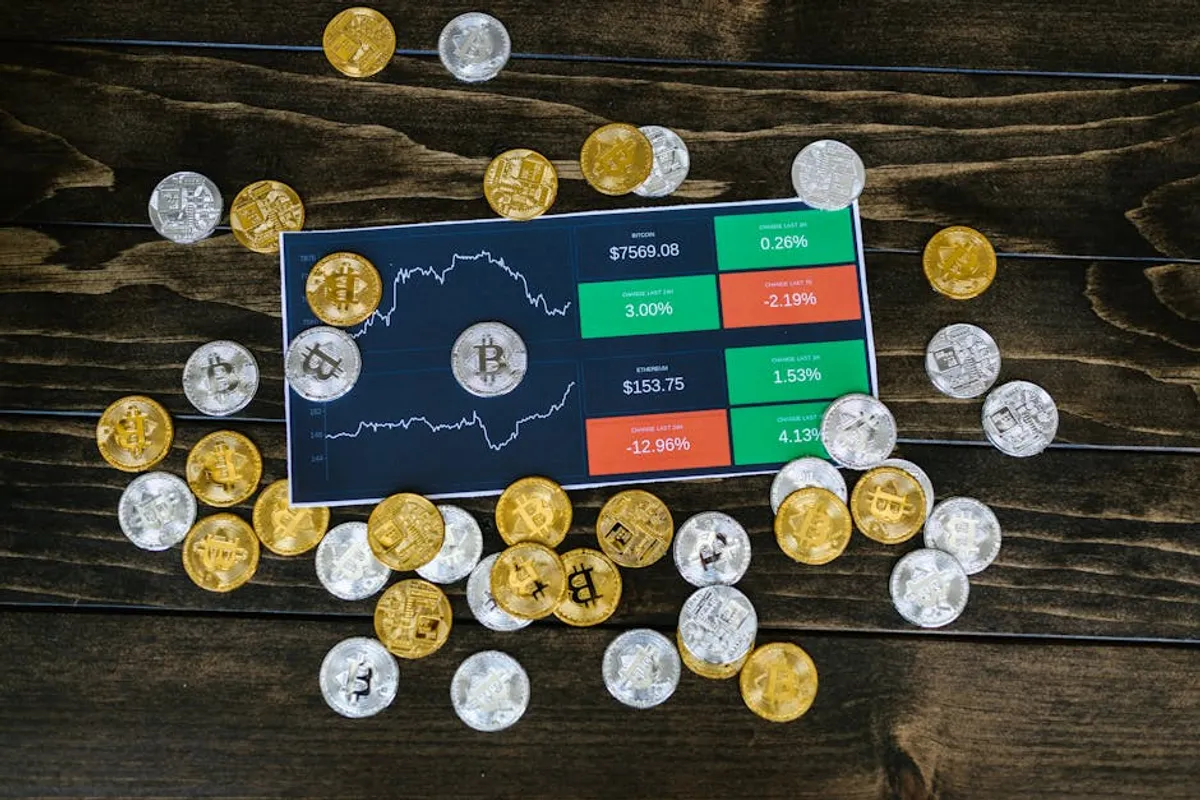
For traders navigating the volatile cryptocurrency market, forecasting Bitcoin's price trajectory in 2026 requires a structured approach beyond speculative headlines. The year 2026 is positioned as a critical period following the 2024 halving event, where fundamental shifts in supply, demand, and broader economic conditions will likely converge. Understanding these interconnected factors is not about pinpointing an exact future price, but rather identifying the indicators that signal potential market direction and allow for informed risk management.
Macroeconomic Influences on Bitcoin's 2026 Trajectory
Bitcoin's price, while often driven by internal crypto-specific catalysts, remains significantly tethered to global macroeconomic conditions. For 2026, traders must monitor several key areas:
- Inflation and Interest Rates: Sustained global inflation could bolster Bitcoin's appeal as a hedge against fiat debasement, assuming it maintains its store-of-value narrative. Conversely, aggressive interest rate hikes by major central banks (e.g., the Federal Reserve, European Central Bank) tend to reduce liquidity in financial markets, often leading to a deleveraging across risk assets, including cryptocurrencies. A pivot towards rate cuts, however, could inject fresh capital.
- Geopolitical Stability: Periods of heightened geopolitical tension have historically seen capital flow into perceived safe havens, sometimes including Bitcoin. However, severe instability can also lead to broad market panic and sell-offs. Traders should watch for major conflicts, international sanctions, and shifts in global power dynamics.
- Traditional Market Performance: Bitcoin has shown increasing correlation with traditional equity markets, particularly tech-heavy indices like the Nasdaq. A robust bull market in equities, driven by economic growth or accommodative monetary policy, could provide tailwinds for Bitcoin. Conversely, a significant downturn in traditional markets might drag Bitcoin down.
Bitcoin's Internal Dynamics: Halving, Adoption, and Regulation
Beyond macro forces, Bitcoin's unique characteristics and evolving ecosystem will play a decisive role in its 2026 valuation.
Post-Halving Supply Shock
The Bitcoin halving, which occurred in April 2024, reduced the block reward for miners by 50%. Historically, halvings precede significant price appreciation due to the reduced supply entering the market. While the immediate impact is often muted, the full effect typically manifests 12-18 months post-event. By 2026, the market will have fully absorbed this supply shock, and persistent demand against a constrained supply could drive price increases.
Institutional Adoption and ETF Flows
The approval and subsequent performance of spot Bitcoin Exchange-Traded Funds (ETFs) in major markets (e.g., the US) represent a watershed moment for institutional access. In 2026, the sustained flow of capital into these vehicles, alongside increasing allocation from corporate treasuries, pension funds, and sovereign wealth funds, will be a critical demand-side indicator. Traders should track weekly and monthly net inflows into these products.
Evolving Regulatory Landscape
Regulatory clarity, or lack thereof, remains a significant factor. Jurisdictions like the European Union (with MiCA) and various US states are developing frameworks. A clear, supportive regulatory environment can de-risk institutional participation and foster innovation, attracting more capital. Conversely, restrictive policies, outright bans, or inconsistent enforcement could stifle growth and create headwinds. Traders must monitor legislative developments in key economic blocs.
Technological Advancements and Network Health
The continued development and adoption of scaling solutions like the Lightning Network, enhancements in Bitcoin's core protocol, and the emergence of sidechains or Layer 2 solutions that expand its utility (e.g., for DeFi or NFTs) could increase demand. Network health, measured by hash rate, transaction fees, and the number of active addresses, provides insight into fundamental usage and security.
Market Structure and Sentiment Signals
Understanding market psychology and the underlying structure of capital flows is essential for short-to-medium-term trading decisions.
Derivatives Market Insights
The perpetual futures market, options contracts, and funding rates offer real-time insights into trader sentiment and leverage. High open interest coupled with positive funding rates can indicate bullish sentiment, but also potential for long squeezes. Conversely, negative funding rates might suggest bearish bias or short-covering opportunities.
On-Chain Metrics for Deeper Analysis
On-chain data provides a transparent view of network activity:
- Exchange Balances: Declining Bitcoin balances on exchanges often signal accumulation and reduced selling pressure.
- Long-Term Holder Behavior: Tracking the movement of coins held for over 155 days can indicate conviction among seasoned investors. Accumulation by these entities is typically bullish.
- MVRV Ratio (Market Value to Realized Value): This ratio compares Bitcoin's market cap to the aggregate cost basis of all coins. Historically, extreme highs indicate potential market tops, while extreme lows suggest market bottoms.
Pro Tip for Traders: While quantitative models like the Stock-to-Flow (S2F) model offer long-term price targets based on scarcity, they are not predictive guarantees. Integrate these models as one data point among many, critically assessing their underlying assumptions and limitations. Over-reliance on any single model can lead to significant risk exposure if market conditions deviate from its historical premises.
Building a Strategic Outlook for Bitcoin in 2026
A successful trading strategy for 2026 will prioritize adaptability and a multi-faceted analysis. Traders should develop a thesis based on the interplay of macroeconomic, fundamental, and on-chain factors, rather than a singular prediction.
Key considerations for 2026:
- Risk Management: Define clear entry and exit points, utilize stop-loss orders, and determine appropriate position sizing based on your risk tolerance. Volatility will remain a constant.
- Diversification: While focusing on Bitcoin, consider its role within a broader portfolio. Correlation with other assets can shift, requiring periodic re-evaluation.
- Scenario Planning: Prepare for both bullish and bearish scenarios. What indicators would confirm a sustained uptrend? What signals would necessitate a defensive posture?
Navigating Bitcoin's Future: Actionable Insights
For traders aiming to position themselves effectively for Bitcoin in 2026, continuous monitoring of market signals and a disciplined approach are paramount. Focus on the underlying drivers of supply and demand, track institutional capital flows, and interpret regulatory shifts. The market will likely be characterized by increasing maturity, yet still prone to significant volatility driven by both macro events and crypto-specific developments. Your ability to synthesize these diverse data points will be key to navigating potential opportunities and mitigating risks.
Frequently Asked Questions
What is the primary driver of Bitcoin's price in the long term?
In the long term, Bitcoin's price is primarily driven by its scarcity (hard-capped supply, halving events) combined with increasing demand from both retail and institutional adoption, alongside its perceived value as a store of value and a hedge against inflation.
How do regulatory changes impact Bitcoin's price?
Regulatory changes can significantly impact Bitcoin's price by influencing market access, institutional participation, and overall sentiment. Clear, supportive regulations tend to foster growth and increase demand, while restrictive or uncertain regulations can create headwinds and trigger sell-offs.
Should I rely on price prediction models for Bitcoin?
Price prediction models can offer valuable insights into potential long-term trends or historical cycles, but they should never be relied upon as definitive forecasts. Bitcoin's price is influenced by too many dynamic variables, making precise predictions unreliable. Use models as one tool among many, always exercising critical judgment.
What role does institutional adoption play in Bitcoin's future?
Institutional adoption, particularly through vehicles like spot ETFs, provides a regulated and accessible pathway for large capital allocators to invest in Bitcoin. This influx of institutional capital is crucial for increasing market depth, stability, and overall demand, potentially driving significant price appreciation over time.