Navigating the cryptocurrency market begins with selecting a suitable exchange. With numerous platforms available, each offering distinct features, fee structures, and security protocols, making an informed choice is critical. This decision directly impacts your trading efficiency, asset security, and overall experience within the digital asset ecosystem. A thorough comparison before signing up can prevent future complications and align your chosen platform with your specific financial objectives and risk tolerance.
Security and Regulatory Frameworks
The first and most critical consideration for any crypto exchange is its security infrastructure and adherence to regulatory standards. Assess how an exchange protects user assets and data. Look for evidence of robust security measures such as cold storage for a significant portion of digital assets, multi-factor authentication (MFA) options including hardware key support, and regular security audits by independent third parties. Understand their policy on insurance for digital assets, if any, and what events it covers.
Regulatory compliance is equally important. Verify if the exchange operates under licenses from relevant financial authorities in its operational jurisdictions. This often involves Know Your Customer (KYC) and Anti-Money Laundering (AML) procedures, which, while requiring personal information, indicate a commitment to legal operation and can offer a layer of consumer protection against illicit activities. Exchanges with clear regulatory standing generally provide greater stability and recourse in case of disputes.
Pro Tip: Always enable the strongest available multi-factor authentication (MFA) on your exchange account, preferably using a hardware security key. While exchanges implement security, individual account protection remains a primary user responsibility. Never reuse passwords across platforms.
Fee Structures and Cost Implications
Exchange fees can significantly erode profits, especially for frequent traders. These typically include trading fees, deposit fees, and withdrawal fees. Trading fees are often structured on a maker-taker model, where "makers" (those who add liquidity to the order book) pay lower fees than "takers" (those who remove liquidity). Fee tiers often depend on trading volume, so analyze how your anticipated volume aligns with their fee schedule.
Withdrawal fees vary by cryptocurrency and can be fixed or a percentage. Some exchanges might also charge for fiat deposits or withdrawals, depending on the method used. Scrutinize these costs carefully. A seemingly small percentage can accumulate over time, impacting your net returns. Transparency in fee disclosure is a non-negotiable requirement; avoid platforms where fees are difficult to locate or understand.
Supported Cryptocurrencies and Trading Pairs
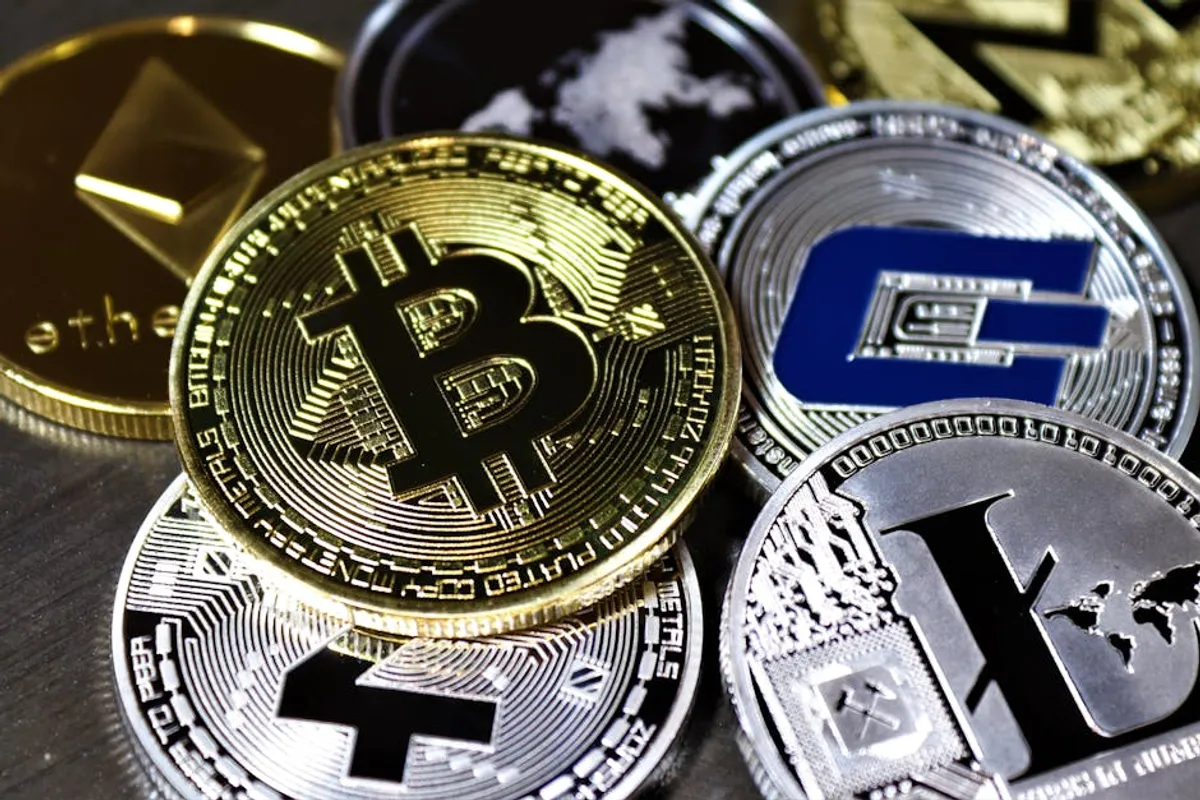
The range of available cryptocurrencies and trading pairs directly dictates your investment opportunities. Major exchanges list a broad spectrum of assets, from established cryptocurrencies like Bitcoin and Ethereum to a wide array of altcoins. Consider whether the exchange supports the specific assets you intend to trade. Beyond individual assets, examine the available trading pairs – for instance, if you want to trade a particular altcoin against a specific fiat currency or another cryptocurrency.
Newer or smaller exchanges might offer a more limited selection, focusing on popular assets. If your strategy involves diversifying into less common tokens, ensure the exchange provides sufficient liquidity for those assets to facilitate efficient trading without significant price slippage.
User Experience and Interface Design
The platform's usability impacts your trading efficiency and overall satisfaction. Consider the interface design for both web and mobile applications. Beginners often benefit from clean, intuitive interfaces that simplify buying, selling, and managing assets. More experienced traders might prioritize advanced charting tools, order types (e.g., limit, stop-limit, OCO), and API access for algorithmic trading.
Evaluate the responsiveness of the platform and the ease of navigating between different sections, such as wallets, trading views, and account settings. A well-designed interface reduces the likelihood of errors and enhances the trading experience, particularly during volatile market conditions.
Liquidity and Trading Volume
High liquidity and substantial trading volume are crucial for efficient trading. An exchange with high liquidity means there are many buyers and sellers, allowing you to execute trades quickly at competitive prices. Low liquidity can lead to significant price slippage, where your order fills at a less favorable price than expected, especially for larger trades. Check an exchange's reported 24-hour trading volume for the assets you plan to trade. Higher volume generally indicates better liquidity and tighter bid-ask spreads.
Customer Support Efficacy
Effective customer support is vital, especially when dealing with financial assets. Assess the availability and responsiveness of an exchange's support channels. Look for 24/7 support via live chat, email, or phone. Evaluate the quality of their help center or FAQ section for self-service options. Timely and knowledgeable support can resolve issues quickly, minimizing potential disruptions to your trading or access to funds. Review user feedback regarding support experiences, as this often provides insight into actual service quality.
Deposit and Withdrawal Methods
The ease and cost of moving funds into and out of an exchange are practical considerations. Review the available fiat deposit methods (e.g., bank transfers, credit/debit cards, third-party payment processors) and their associated fees and processing times. Similarly, understand the withdrawal options for both fiat and cryptocurrency. Some exchanges offer instant withdrawals for certain methods, while others may have longer processing periods. Pay attention to deposit and withdrawal limits, as these can vary significantly and impact your ability to manage your capital effectively.
Making an Informed Decision
Choosing a crypto exchange is a personalized decision that should align with your specific trading goals, risk tolerance, and technical proficiency. Compile a list of your non-negotiable requirements before comparing platforms. Prioritize security and regulatory compliance above all else. Then, systematically evaluate fee structures, asset availability, user experience, and support services. It is often beneficial to start with a smaller amount to test an exchange's functionality and support before committing significant capital.
- Does the exchange operate under recognized financial regulations in your region?
- Are the trading, deposit, and withdrawal fees clearly stated and competitive for your trading volume?
- Does it list the specific cryptocurrencies and trading pairs you intend to use?
- Is the user interface intuitive for your experience level, and does it offer necessary advanced features?
- What are the typical deposit and withdrawal times for your preferred methods?
- Is customer support readily available and responsive through multiple channels?
- Does the exchange have a strong track record of security, with no major hacks or vulnerabilities?
Frequently Asked Questions
Can I use multiple crypto exchanges?
Yes, many users maintain accounts on several exchanges to access different assets, leverage varying fee structures, or utilize specialized features. This can also diversify risk.
What is the difference between a centralized and decentralized exchange?
Centralized exchanges (CEXs) are operated by a company, offering ease of use and higher liquidity but requiring users to trust the exchange with their funds. Decentralized exchanges (DEXs) allow peer-to-peer trading directly from user wallets, offering greater autonomy but often with a steeper learning curve and potentially lower liquidity for certain pairs.
How important is an exchange's reputation?
An exchange's reputation is highly important. Research its history, read independent reviews, and check for any past security incidents or regulatory issues. A strong reputation often indicates reliability and trustworthiness.
Should I keep all my crypto on an exchange?
For active trading, keeping funds on an exchange is necessary. However, for long-term holdings, it is generally recommended to move significant amounts of cryptocurrency to a personal hardware wallet (cold storage) where you control the private keys, reducing counterparty risk.