
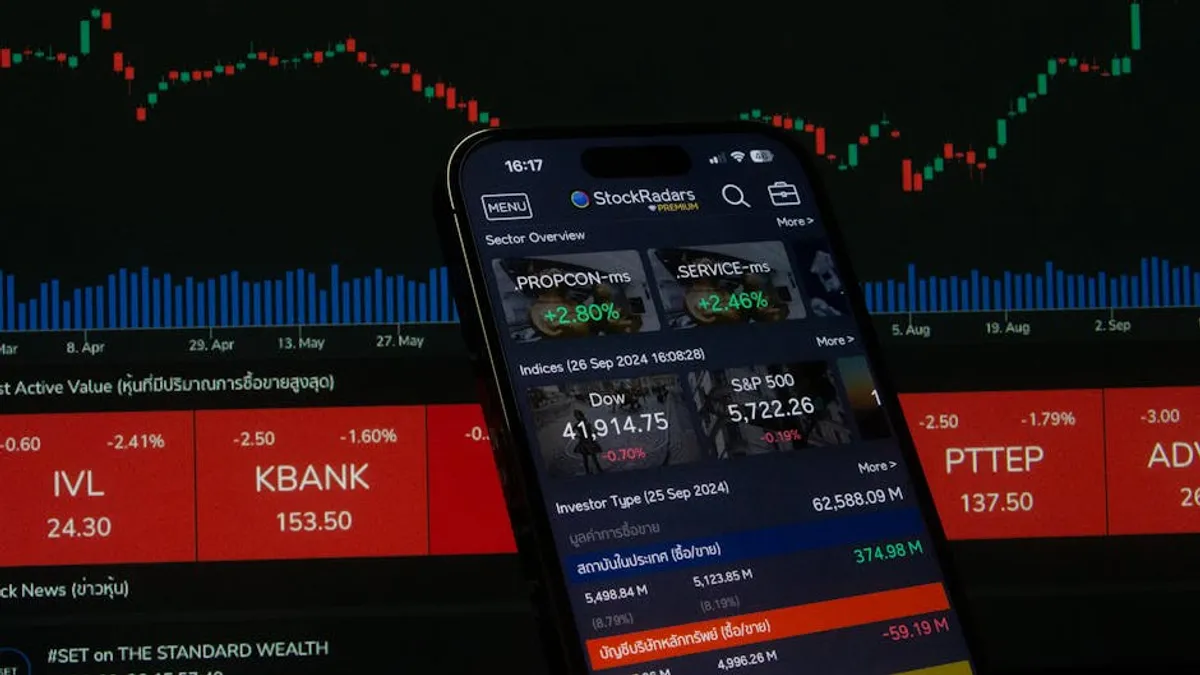
Maintaining accurate and timely share price information on a website is not merely a technical task; it is a critical component of investor relations, financial reporting, and commercial credibility. For publishers, financial institutions, or any platform displaying market data, the integrity and freshness of share price updates directly influence user trust, regulatory compliance, and search engine visibility. A robust checklist ensures that every aspect, from data acquisition to user presentation and search engine optimization, is systematically addressed, mitigating risks and maximizing the commercial value of this dynamic content.
Establishing Reliable Data Sourcing
The foundation of any effective share price update system is the data source itself. Selecting a provider involves evaluating data latency, coverage, and the contractual terms for redistribution. Publicly available APIs often carry usage limits and potential delays, while premium financial data feeds offer lower latency and broader market coverage but at a higher cost. The choice directly impacts the "real-time" nature of the updates a site can offer.
Identifying and Vetting Data Feeds
Reliable data feeds are characterized by their origin, update frequency, and error rates. Prioritize providers that source data directly from stock exchanges or established financial aggregators. Evaluate their Service Level Agreements (SLAs) for uptime guarantees and data accuracy. For commercial sites, a direct data feed, often via an API, is generally superior to scraping or relying on free, delayed sources, which can introduce significant latency and legal risks.
- Direct Exchange Feeds: Offer the lowest latency but require significant technical integration and licensing.
- Financial Data APIs: Provide structured data from aggregators, simplifying integration but introducing a slight delay.
- Regulatory Filings: Essential for verifying corporate actions and fundamental data, often available through EDGAR or similar public databases.
- Third-Party Validators: Cross-reference data with independent sources to identify discrepancies before publication.
Implementing Data Integrity Protocols
Even with a premium data source, implementing internal validation checks is crucial. This involves setting up automated processes to compare incoming data against a secondary, independent source or historical patterns. Anomalies, such as sudden, uncharacteristic price swings or extended periods of no updates, should trigger alerts for immediate investigation. This proactive approach prevents the dissemination of incorrect information, which can erode user trust and invite regulatory scrutiny.
Technical Integration and Display Strategy
Once reliable data is secured, the next challenge is its efficient integration and presentation. The technical architecture must support rapid updates without compromising site performance, while the user interface needs to convey complex financial information clearly and intuitively.
Real-time vs. Delayed Update Mechanisms
The decision between real-time (sub-second latency) and delayed (e.g., 15-minute delay) updates significantly influences technical complexity and cost. Real-time updates typically require WebSocket connections or server-sent events for continuous data push, demanding robust server infrastructure. Delayed updates can often be managed with periodic API calls and caching strategies. For SEO, even delayed data needs to be fresh enough to be considered relevant, meaning daily or hourly updates are often sufficient for general market overview pages, while specific stock pages may benefit from more frequent refreshes.
Pro Tip: Implement intelligent caching for share price data. While real-time updates are critical for active traders, most informational pages benefit from a short cache duration (e.g., 60-120 seconds) rather than hitting the data source on every page load. This balances data freshness with server load and page speed, both of which impact user experience and SEO.
Optimizing User Interface and Experience
The presentation of share price data should prioritize clarity and accessibility. Key metrics like current price, daily change (absolute and percentage), volume, and open/high/low should be immediately visible. Interactive charts for historical performance, news feeds related to the stock, and relevant company information enhance the user experience. Ensure mobile responsiveness, as a significant portion of financial information consumption occurs on handheld devices. Clear disclaimers about data latency or investment risks are also essential for regulatory compliance.
SEO and Indexing Considerations
For share price updates to contribute meaningfully to organic search performance, technical SEO must be meticulously planned. This involves structured data implementation, managing content freshness, and optimizing for crawl efficiency.
Leveraging Structured Data for Financial Information
Implementing schema.org markup is paramount for financial data. Specifically, using types like Organization (for the company), Offer (for the stock price as an offer), and QuantitativeValue (for specific metrics like volume or market cap) helps search engines understand the context and display rich results. Mark up the current price, currency, date/time of the last update, and other relevant data points. This enhances visibility in search results and can lead to more prominent display formats.
Managing Content Freshness and Crawl Budget
Share price data is inherently dynamic. Search engines prioritize fresh content, especially for volatile topics. To signal freshness, ensure the lastmod tag in your sitemap is updated with every significant data refresh. For pages with frequently changing prices, consider using a higher crawl priority in your sitemap or implementing a dynamic rendering solution if the data is loaded via JavaScript. However, avoid excessive crawling by search engines on every minor price fluctuation; focus on major updates or daily summaries to optimize crawl budget.
Ongoing Maintenance and Monitoring
A "set it and forget it" approach to share price updates is unsustainable. Continuous monitoring and regular maintenance are vital to ensure data accuracy, system performance, and regulatory adherence.
Automated Monitoring and Alerting Systems
Implement automated systems to monitor the data feed's health and the accuracy of the displayed prices. This includes checks for API response times, data format consistency, and comparisons against external benchmarks. Configure alerts for deviations, such as data feed outages, significant price discrepancies, or failures in the update process. Prompt detection and resolution of these issues prevent the publication of stale or incorrect information.
Regulatory Compliance and Disclosures
Displaying financial data comes with legal and ethical responsibilities. Ensure all required disclaimers regarding data latency, investment advice, and source attribution are prominently displayed. Regularly review these disclosures to ensure they comply with current financial regulations in all relevant jurisdictions. This protects both the publisher and the user from potential misunderstandings or legal challenges.
Sustaining Trust and Relevance with Dynamic Financial Data
Effectively managing share price updates is an ongoing commitment to accuracy, transparency, and technical excellence. By systematically addressing data sourcing, technical integration, SEO considerations, and continuous monitoring, publishers can ensure their platforms remain trusted sources of financial information. This commitment not only builds user loyalty but also reinforces the site's authority and visibility within competitive search landscapes, ultimately driving commercial success.
Frequently Asked Questions
How often should share price data be updated on a website?
The optimal update frequency depends on the page's purpose. For general market overviews, daily or hourly updates suffice. For individual stock pages or actively traded assets, 15-minute delayed data is a common standard, while "real-time" (sub-second) updates are typically reserved for specialized trading platforms due to higher technical demands and costs.
What are the primary risks of displaying inaccurate share price data?
Displaying inaccurate share price data can severely damage user trust, lead to reputational harm, and potentially expose the publisher to legal and regulatory penalties, especially if users make financial decisions based on incorrect information. It can also negatively impact search engine rankings due to poor user experience signals.
Can Google index dynamically loaded share price data?
Yes, Google can index dynamically loaded content, but it requires careful implementation. Ensure that the JavaScript rendering the share price data is accessible and executable by Googlebot. Using server-side rendering (SSR) or dynamic rendering is often recommended for critical content to guarantee indexability and ensure all structured data is present in the initial HTML payload.
Is it necessary to include disclaimers with share price information?
Yes, it is almost always necessary to include clear disclaimers. These should typically state the data source, any latency (e.g., "data delayed by 15 minutes"), and a clear statement that the information is for informational purposes only and does not constitute financial advice. This helps manage user expectations and fulfills regulatory requirements.