
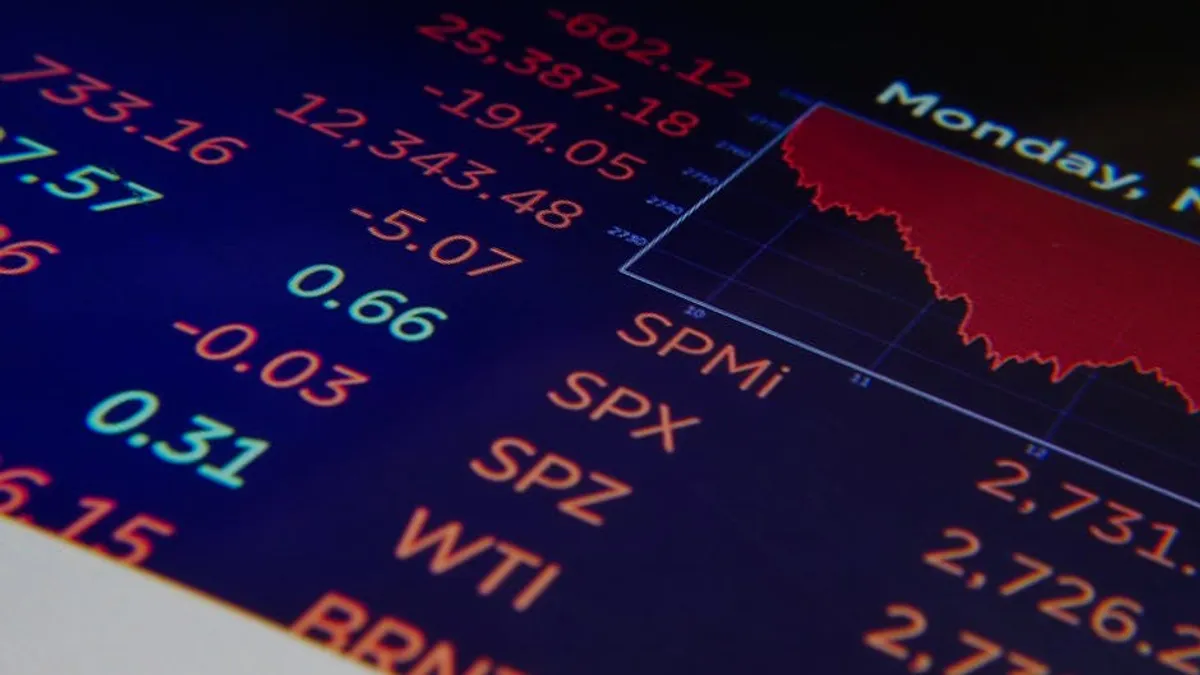
Understanding the current trajectory of the stock market is critical for investors, portfolio managers, and even business strategists aiming to align their operations with broader economic shifts. The market is not a static entity; it is a dynamic reflection of global economic health, technological advancements, geopolitical tensions, and shifting consumer behaviors. Identifying the prevailing trends allows for more informed decision-making, whether that involves adjusting investment portfolios, anticipating sector-specific growth, or mitigating potential risks. This analysis focuses on the tangible forces and observable patterns currently influencing equity valuations and market sentiment, providing a framework for interpreting daily market movements within a larger context.
Macroeconomic Drivers Shaping Today's Markets
The overarching economic environment dictates much of the stock market's direction. These macro forces are often beyond the control of individual companies but profoundly impact their operating conditions and, consequently, their stock performance.
Inflationary Pressures and Interest Rate Policies
Global inflation remains a primary concern, directly affecting corporate profitability and consumer purchasing power. Central banks worldwide have responded by tightening monetary policy through interest rate hikes. Higher interest rates typically increase borrowing costs for businesses, potentially dampening investment and growth. For investors, this translates to a re-evaluation of future earnings, often leading to lower valuations for growth stocks whose expected profits are further out. Conversely, value stocks or those in sectors less sensitive to interest rate fluctuations may exhibit greater resilience. The trajectory of inflation and the subsequent actions of central banks continue to be a dominant factor influencing market sentiment and sector rotation.
Geopolitical Events and Supply Chain Resilience
Geopolitical tensions, regional conflicts, and trade disputes introduce significant uncertainty into global markets. These events can disrupt critical supply chains, leading to increased production costs and delays. Energy markets are particularly susceptible, with price volatility impacting industries from transportation to manufacturing. Companies with diversified supply chains or those capable of reshoring production gain a competitive advantage. Investors are increasingly scrutinizing companies' exposure to geopolitical risks and their strategies for ensuring operational continuity. This focus highlights the importance of resilience and adaptability in a fragmented global economy.
Sector-Specific Trends and Opportunities
While macroeconomic factors provide a broad overview, specific sectors react differently to these forces, presenting distinct opportunities and challenges.
Technology Sector Re-evaluation
The technology sector, particularly growth-oriented software and internet companies, has experienced a re-evaluation following periods of rapid expansion. The shift from a low-interest-rate environment to one of rising rates has compressed valuations for companies whose profitability lies further in the future. However, innovation continues to drive specific sub-sectors. Artificial intelligence (AI) remains a significant growth catalyst, with demand for AI infrastructure, specialized chips, and AI-powered software driving investment. The market is now favoring companies with clear paths to profitability, strong free cash flow generation, and sustainable competitive advantages, rather than solely revenue growth.
Energy Transition and Green Technologies
The global push towards decarbonization continues to accelerate, creating substantial investment in renewable energy, electric vehicles (EVs), and associated infrastructure. Government incentives, technological advancements, and increasing consumer demand are fueling growth in solar, wind, battery storage, and EV manufacturing. Companies involved in critical minerals extraction, charging infrastructure, and grid modernization are also beneficiaries. This trend represents a long-term structural shift, offering opportunities across the value chain, from raw materials to end-user solutions.
Healthcare Innovation and Biotech
The healthcare sector is characterized by ongoing innovation, driven by an aging global population, advancements in medical technology, and new drug discoveries. Biotechnology firms focusing on gene therapies, personalized medicine, and chronic disease management are attracting significant capital. Digital health solutions, including telehealth platforms and AI-powered diagnostics, are also expanding rapidly, enhancing accessibility and efficiency. Regulatory changes, clinical trial outcomes, and intellectual property protection are key determinants of success in this sector, making fundamental research critical for investors.
Emerging Investment Themes
Beyond broad sector movements, several specific themes are gaining traction and warrant close observation.
Artificial Intelligence (AI) Integration
The impact of AI extends beyond the major tech players. Companies across diverse industries are integrating AI to enhance productivity, automate processes, and develop new products. This includes AI-driven analytics in finance, predictive maintenance in manufacturing, and AI-assisted content generation in media. Investors are looking beyond the direct AI developers to companies that are successfully leveraging AI to create efficiency gains or competitive differentiation within their core businesses.
Reshoring and Industrial Revitalization
The vulnerabilities exposed by global supply chain disruptions have prompted a trend towards reshoring manufacturing and strengthening domestic production capabilities. This theme benefits industrial companies, logistics providers, and infrastructure developers in regions prioritizing localized production. Investments in automation, advanced robotics, and smart factory technologies are integral to this revitalization, aiming to make domestic production more cost-effective and resilient.
Digital Infrastructure and Cybersecurity
The increasing reliance on digital platforms for work, communication, and commerce necessitates robust digital infrastructure. This includes data centers, cloud computing services, and high-speed network providers. Concurrently, the rise in cyber threats makes cybersecurity solutions indispensable for businesses and governments alike. Companies offering advanced threat detection, data encryption, and identity management services are experiencing sustained demand, positioning this theme as a defensive and growth-oriented area of the market.
Pro Tip: Avoid the temptation to make impulsive trading decisions based on daily news headlines or short-term market volatility. Instead, focus on understanding the underlying long-term trends and how they impact the fundamental value of companies. A disciplined approach, guided by thorough research and a predefined investment strategy, typically yields more consistent results than reacting to every market fluctuation.
Navigating Volatility and Risk Management
Given the dynamic nature of current market trends, effective risk management is paramount. Volatility can be a source of opportunity, but it also amplifies potential losses if not managed carefully.
- Diversification: Spreading investments across different asset classes, sectors, and geographies can help mitigate the impact of adverse movements in any single area.
- Dollar-Cost Averaging: Investing a fixed amount regularly, regardless of market highs or lows, can reduce the risk of buying at peak prices and average out the purchase cost over time.
- Understanding Risk Tolerance: Aligning investment decisions with one's personal capacity and willingness to take on risk prevents emotional reactions during market downturns.
- Fundamental Analysis: Prioritizing companies with strong balance sheets, consistent earnings, and clear competitive advantages helps identify resilient investments.
- Staying Informed: Continuously monitoring macroeconomic indicators, geopolitical developments, and sector-specific news allows for timely adjustments to investment theses.
Actionable Insights for Investors
For investors navigating today's stock market, the current environment demands a blend of strategic foresight and tactical flexibility. Focus on companies demonstrating adaptability to inflationary pressures, robust supply chain management, and clear innovation pathways within their respective sectors. Prioritize businesses that are not only participating in but actively shaping the energy transition, AI integration, and digital infrastructure build-out. Evaluate management teams for their ability to execute in complex environments and their commitment to sustainable growth. A long-term perspective, coupled with diligent research into fundamental company strength and alignment with macro trends, will serve as a foundational approach. Evaluating management teams for their ability to execute in complex environments and their commitment to sustainable growth requires understanding the best practices for sustainable growth.
Frequently Asked Questions
What are the primary factors driving stock market volatility today?
Today's stock market volatility is primarily driven by persistent inflation, central bank interest rate policies, ongoing geopolitical conflicts impacting global supply chains, and rapid technological shifts such as the widespread adoption of artificial intelligence. These factors contribute to today's stock market volatility, making it essential for investors to seek a complete overview of today's market.
How do rising interest rates affect different stock sectors?
Rising interest rates generally impact growth stocks more significantly by reducing the present value of their future earnings, making them less attractive. Conversely, value stocks, financials, and sectors with stable cash flows may show more resilience or even benefit from higher rates.
Which emerging technologies are creating new investment opportunities?
Artificial intelligence (AI), particularly in specialized chips, software, and integration services, alongside green technologies like renewable energy infrastructure and electric vehicles, are creating substantial new investment opportunities.
Should investors adjust their portfolios based on daily market news?
While staying informed is crucial, making daily portfolio adjustments based on short-term market news is generally not advisable. A long-term investment strategy based on fundamental analysis and risk tolerance typically outperforms reactive trading.