
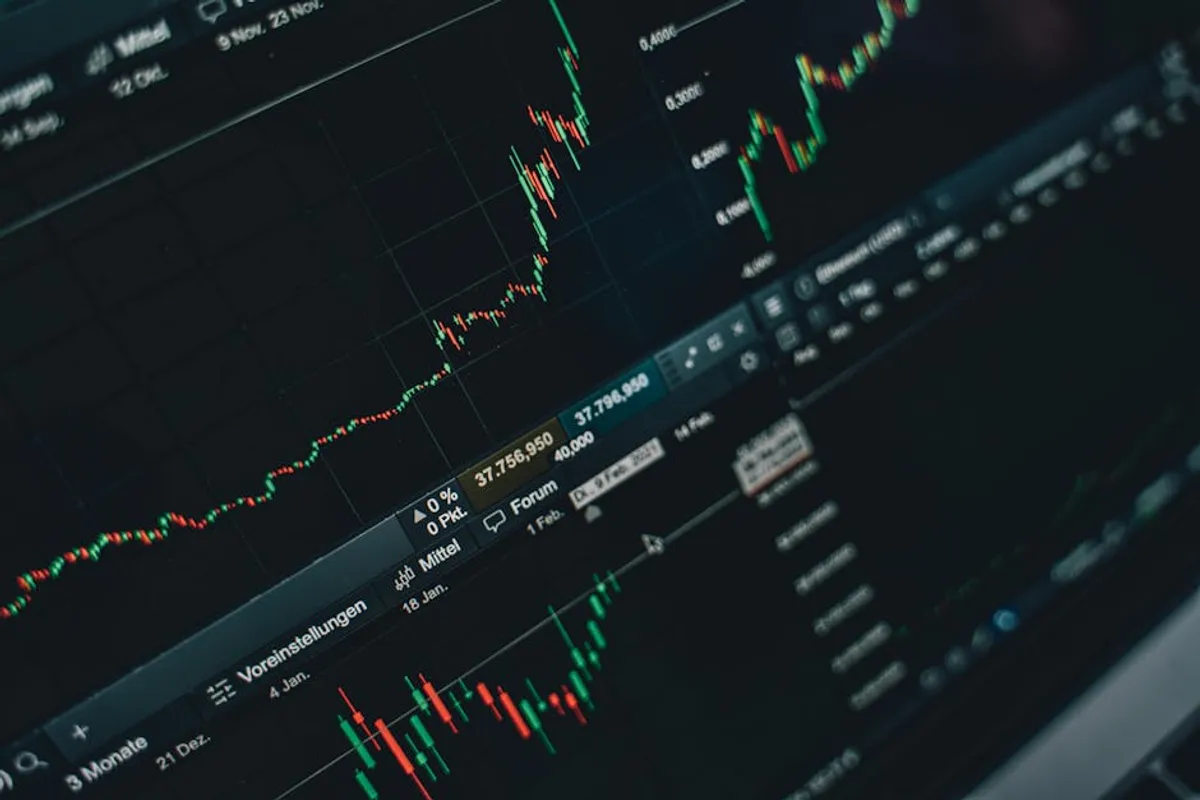
The phrase "Stock Market Today" refers to the real-time, aggregated performance and activity of financial markets over a single trading day. It is not a single entity or platform, but rather a dynamic snapshot encompassing the movement of major indices, individual stock prices, trading volumes, and broader economic narratives that influence investor behavior within a 24-hour cycle. For investors, traders, and financial professionals, comprehending how this daily market operates is fundamental to interpreting asset valuations, identifying short-term opportunities, mitigating risks, and making informed strategic decisions. The daily market reflects a confluence of economic data, corporate news, geopolitical events, and investor sentiment, all of which contribute to the immediate price discovery process and shape market expectations.
Components Defining the Daily Market Snapshot
Understanding "Stock Market Today" requires recognizing its constituent elements, which collectively paint a picture of market health and direction. These components are continuously updated throughout trading hours, offering a granular view of financial activity.
Key Market Indices
Major market indices serve as barometers for specific segments or the overall health of the stock market. Their daily performance is often the headline figure reported. For instance:
- Dow Jones Industrial Average (DJIA): Tracks 30 large, publicly owned companies based in the United States. Its daily movement indicates the performance of established industrial leaders.
- S&P 500: Represents 500 of the largest U.S. publicly traded companies. It is widely considered the best gauge of large-cap U.S. equities and the broader market.
- Nasdaq Composite: Heavily weighted towards technology and growth companies. Its daily shifts reflect sentiment and performance in the tech sector specifically.
Each index has a distinct methodology for calculation and composition, meaning their daily percentage changes can diverge, offering different insights into market segments.
Individual Stock Performance
Beyond indices, the daily market is defined by the price changes of individual stocks. Companies report their daily opening price, closing price, highest price, and lowest price. These metrics, alongside the net change and percentage change, indicate how specific corporate entities are valued by the market from one trading session to the next. Significant movements in individual stocks can be driven by company-specific news, sector trends, or broader market sentiment.
Trading Volume and Volatility
Trading volume represents the total number of shares or contracts traded for a particular security or across the entire market during the day. High volume often accompanies significant price movements, suggesting strong conviction behind the move. Conversely, low volume on a price change might indicate less conviction. Volatility measures the degree of variation of a trading price series over time. A "volatile" day means prices fluctuated significantly, often presenting both higher risk and potential for greater returns for active traders.
Information Flow: How Daily Market Data is Disseminated
The speed and accuracy of market information are critical. "Stock Market Today" is a concept built on rapid data aggregation and distribution.
Real-time Data Feeds
Exchanges like the NYSE and Nasdaq provide real-time data feeds directly to financial institutions, data vendors, and brokerage platforms. These feeds transmit bid/ask prices, last trade prices, volumes, and other critical metrics milliseconds after they occur. This infrastructure ensures that market participants have access to the most current information for decision-making.
Financial News Outlets and Platforms
Specialized financial news organizations and online platforms synthesize and interpret this raw data. They provide analysis, commentary, and reporting on market movers, economic releases, and corporate announcements. These outlets translate complex market dynamics into accessible summaries, charts, and articles, making "Stock Market Today" comprehensible to a wider audience.
Key Influencers of Daily Market Movements
The daily fluctuations observed in "Stock Market Today" are rarely arbitrary. They are typically responses to a range of identifiable factors.
Economic Indicators
Macroeconomic data releases significantly impact daily market sentiment. Reports such as the Consumer Price Index (CPI), Gross Domestic Product (GDP), unemployment rates, and manufacturing data provide insights into the health and direction of the broader economy. Positive economic news can drive markets higher, while negative reports can trigger sell-offs, as these indicators influence expectations for corporate earnings and interest rates.
Corporate Earnings Reports and News
Individual company performance, particularly quarterly earnings reports, can cause substantial daily stock movements. When a company announces earnings that beat or miss analyst expectations, its stock price often reacts sharply. Other corporate news, such as mergers and acquisitions, product launches, or leadership changes, also contribute to daily price discovery.
Geopolitical Events and Global News
International events, political developments, and global economic shifts can create ripple effects across financial markets. Trade disputes, political instability in key regions, or significant policy changes in major economies can introduce uncertainty, leading to increased volatility and daily market adjustments as investors re-evaluate risk.
Investor Sentiment and Psychology
Beyond tangible data, collective investor sentiment plays a significant role. Fear, greed, and herd mentality can amplify market movements. Positive news can lead to a buying frenzy, while negative news can trigger panic selling, sometimes disproportionate to the underlying fundamentals. This psychological element contributes to the unpredictable nature of daily market swings.
Interpreting Daily Market Metrics
To effectively use "Stock Market Today" information, understanding specific metrics is crucial.
Opening and Closing Prices
The opening price is the first price at which a stock trades when the market opens. The closing price is the last price at which a stock trades before the market closes. The difference between these two points indicates the day's net price change. Comparing the closing price to the previous day's close provides a clear measure of daily performance.
Highs and Lows
The daily high and low represent the maximum and minimum prices a stock or index reached during the trading session. These figures provide insight into the price range and volatility experienced throughout the day, indicating potential support or resistance levels for traders.
Percentage Change vs. Point Change
While point changes (e.g., "Dow up 100 points") grab headlines, percentage change offers a more accurate comparison of performance across different stocks or indices. A 100-point gain on the Dow (around 38,000 points) is a small percentage, whereas a 100-point gain on a stock trading at $50 is a significant percentage increase.
Pro Tip: When analyzing "Stock Market Today" data, always consider the context. A large percentage gain on low volume might be less significant than a smaller percentage gain on high volume. Similarly, a single day's movement, whether up or down, rarely dictates a long-term trend. Look for patterns over several days or weeks to avoid overreacting to short-term noise.
Staying Informed and Adapting
Navigating the daily stock market requires continuous engagement with information and a flexible approach. Develop a routine for checking reliable financial news sources and market data platforms. Focus on understanding the underlying reasons for market movements rather than just the numbers themselves. Regularly review how global events, economic reports, and corporate announcements are influencing your investment thesis. Adapt your strategy as new information emerges, but avoid impulsive decisions based solely on daily fluctuations. A disciplined approach, grounded in a clear understanding of market dynamics, is essential for long-term success.
Frequently Asked Questions
What does "Stock Market Today" mean for long-term investors?
For long-term investors, "Stock Market Today" primarily serves as a pulse check. While daily fluctuations are common, long-term investors typically focus on broader trends, economic cycles, and the fundamental performance of their holdings rather than reacting to short-term volatility. It helps confirm or challenge their long-term thesis.
How can I access reliable "Stock Market Today" information?
Reliable information can be accessed through major financial news websites, reputable brokerage platforms, and dedicated market data providers. These sources offer real-time quotes, news feeds, and analytical tools to help interpret daily market activity.
Do after-hours and pre-market trading affect "Stock Market Today" reporting?
Yes, after-hours and pre-market trading activity can significantly influence a stock's opening price and the overall market sentiment for the upcoming trading day. Major news or earnings releases outside of regular trading hours often lead to substantial price gaps at market open, directly impacting "Stock Market Today" figures.
Is "Stock Market Today" the same for all countries?
No, "Stock Market Today" refers to the specific trading day within a particular country or region's financial markets. While global events can impact markets worldwide, each country's stock market operates on its own schedule, with its own indices, regulations, and localized economic drivers.