
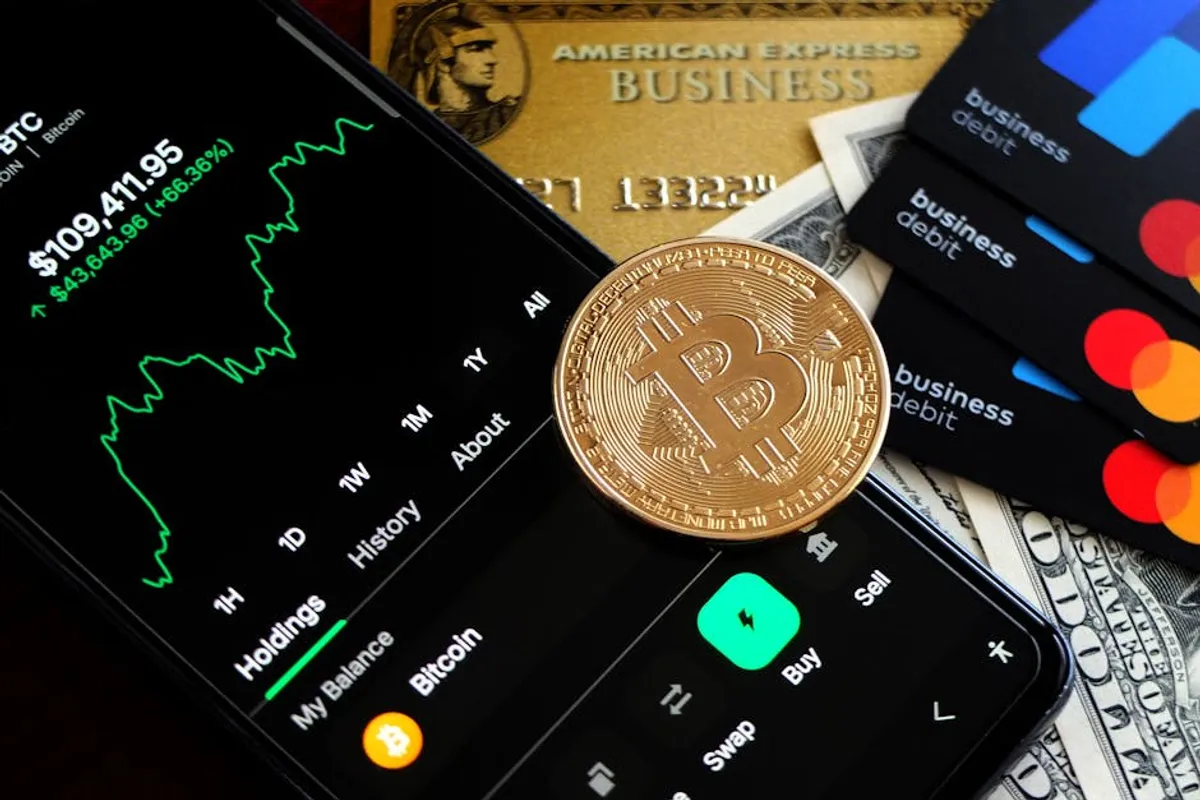
Predicting Bitcoin’s price for 2026 involves navigating a complex interplay of economic, technological, and geopolitical forces, rather than relying on simple extrapolations. For investors, businesses holding crypto on their balance sheets, or financial institutions considering broader digital asset integration, understanding these underlying dynamics is crucial for strategic planning. A 2026 outlook requires assessing potential catalysts for growth, identifying significant downside risks, and recognizing the foundational drivers that will shape its market value. This is not about pinpointing an exact number, but about evaluating the probability and impact of various market conditions to inform decision-making.
Key Drivers Shaping Bitcoin's 2026 Outlook
Macroeconomic Influences
The broader global economic environment will exert significant pressure on Bitcoin's valuation. Persistent inflation in major economies, particularly the US, could reinforce Bitcoin's narrative as a digital store of value or inflation hedge, attracting capital from traditional assets. Conversely, aggressive interest rate hikes by central banks to combat inflation typically increase the cost of capital and reduce risk appetite, potentially diverting funds from volatile assets like Bitcoin. A global recession, characterized by reduced consumer spending and corporate profits, could also trigger sell-offs across all asset classes, including cryptocurrencies, as investors prioritize liquidity.
Regulatory Framework Evolution
Regulatory clarity remains a pivotal driver. The approval of spot Bitcoin ETFs in major markets, for instance, significantly broadens access for institutional and retail investors, integrating Bitcoin more deeply into traditional financial systems. Conversely, restrictive legislation, outright bans in key jurisdictions, or punitive tax policies could stifle adoption and create market uncertainty. Clarity around stablecoin regulations, DeFi protocols, and digital asset custody will also indirectly impact Bitcoin by shaping the overall health and legitimacy of the wider crypto ecosystem.
Technological Advancements and Adoption
While Bitcoin’s core protocol is designed for stability, ongoing development around its ecosystem influences its utility and perception. Enhancements to the Lightning Network, for example, improve transaction speed and reduce fees, making Bitcoin more viable for micro-transactions and everyday use. Increased adoption of Taproot upgrades or other protocol improvements that enhance privacy and efficiency can bolster confidence. Furthermore, the security and resilience of the network against potential threats, such as quantum computing advancements, will be continually assessed by sophisticated investors.
Institutional and Retail Demand
The sustained entry of institutional capital is a primary driver for Bitcoin's long-term valuation. This includes pension funds, endowments, sovereign wealth funds, and corporations allocating a portion of their treasuries to Bitcoin. Products like Bitcoin ETFs provide regulated avenues for this capital. Retail demand, often influenced by media narratives, social trends, and perceived opportunities for rapid gains, provides a substantial base layer of market activity. A confluence of both institutional and retail interest, driven by positive sentiment and accessibility, creates strong upward price momentum.
Supply Dynamics and Halving Impact
Bitcoin’s programmed supply schedule, specifically the halving events, significantly impacts its scarcity. While the most recent halving occurred in 2024, its full effects on supply-side pressure typically manifest over the subsequent 12-18 months. By 2026, the reduced issuance rate of new Bitcoin will be firmly established, potentially creating a supply shock if demand continues to grow or remains stable. The total circulating supply, combined with the number of "lost" or unaccessed coins, dictates the true scarcity of the asset.
Potential Bitcoin Price Scenarios for 2026
The Bullish Trajectory
A bullish scenario for 2026 envisions Bitcoin reaching new all-time highs, potentially surpassing $100,000. This outcome hinges on several converging factors: sustained global inflation prompting flight to hard assets, broad regulatory clarity in major economies (particularly the US and EU) leading to widespread institutional adoption through ETFs and direct corporate holdings, significant advancements in Layer 2 scaling solutions like the Lightning Network enhancing utility, and a post-2024 halving supply shock meeting robust demand. Geopolitical instability could also drive capital into decentralized assets, further fueling this scenario.
The Bearish Retracement
Conversely, a bearish outlook could see Bitcoin's price retreat significantly, possibly revisiting levels below $30,000. This scenario would likely be triggered by a confluence of negative events: a severe global recession leading to widespread de-risking across all asset classes, aggressive and coordinated regulatory crackdowns by multiple major governments, a significant security breach or technological vulnerability impacting a prominent exchange or the Bitcoin network itself, or the emergence of a truly superior digital asset. Sustained negative public sentiment and persistent FUD (Fear, Uncertainty, Doubt) could also contribute to prolonged downward pressure.
The Base Case: Steady Growth
The most probable scenario involves a more moderate, yet positive, growth trajectory for Bitcoin, potentially stabilizing in a range between $50,000 and $80,000. This base case assumes continued, but not explosive, institutional integration, gradual improvements in regulatory clarity without major setbacks, and ongoing technological development at a steady pace. Retail interest would remain consistent, and Bitcoin would solidify its position as a legitimate, albeit volatile, alternative asset class. Macroeconomic conditions would be neither extremely inflationary nor deeply recessionary, allowing for incremental capital inflows.
Inherent Risks to Bitcoin's Valuation
- Regulatory Uncertainty: Unpredictable government actions, including outright bans or highly restrictive policies in major economies, could severely impact market confidence and accessibility.
- Technological Vulnerabilities: Discovery of critical flaws in the Bitcoin protocol, widespread security breaches on exchanges or wallets, or the advent of quantum computing capable of breaking current cryptographic standards pose existential threats.
- Market Manipulation and Volatility: Bitcoin's relatively smaller market capitalization compared to traditional assets makes it susceptible to large price swings driven by whale activity, unverified news, or coordinated trading strategies.
- Competition from Other Cryptocurrencies: The emergence of alternative digital assets offering superior technology, scalability, or privacy features could divert investment and attention from Bitcoin.
- Macroeconomic Headwinds: Severe global recessions, sustained high interest rates, or widespread financial instability can prompt investors to liquidate riskier assets, including Bitcoin, in favor of liquidity.
- Environmental Concerns: Increasing scrutiny over Bitcoin's energy consumption and carbon footprint could lead to ESG (Environmental, Social, and Governance) pressures, potentially deterring institutional investors and prompting regulatory action.
- Geopolitical Events: Major global conflicts, sanctions, or shifts in international relations could impact the use and acceptance of decentralized currencies.
Pro Tip: When evaluating Bitcoin price predictions, scrutinize the underlying assumptions. A prediction without clearly articulated drivers and risks is speculative. Focus on the 'why' behind a potential price point, not just the number itself, to understand its commercial implications.
Navigating Bitcoin's Future: Strategic Considerations
For any entity with exposure to Bitcoin, a diversified approach is prudent. This involves not only understanding potential price movements but also mitigating operational risks. For businesses accepting Bitcoin, this means implementing robust security protocols for wallet management and transaction processing. For institutional investors, it necessitates due diligence on custody solutions, regulatory compliance, and portfolio allocation strategies that account for Bitcoin's volatility. Regular monitoring of global regulatory developments, macroeconomic indicators, and technological advancements within the crypto space is essential for adapting strategies. The goal is to position for potential upside while protecting against significant downside risks, recognizing that Bitcoin's market remains subject to rapid shifts.
Frequently Asked Questions
What is the primary factor driving Bitcoin's price?
Bitcoin's price is influenced by a combination of factors, but institutional adoption and the broader macroeconomic environment, particularly inflation and interest rates, are increasingly dominant drivers. Supply scarcity from halving events also plays a critical role.
How do regulatory changes impact Bitcoin's value?
Regulatory clarity, especially regarding spot ETFs and taxation, can open doors for significant institutional capital, boosting value. Conversely, restrictive regulations or bans can stifle adoption and create downward price pressure.
Is Bitcoin still considered an inflation hedge?
While Bitcoin has shown correlation with tech stocks in certain periods, its fixed supply and decentralized nature position it as a potential hedge against fiat currency debasement, particularly in environments of high inflation or economic uncertainty.
What technological risks does Bitcoin face?
Key technological risks include potential vulnerabilities in its cryptographic security, scalability limitations under extreme network load, and the long-term threat of quantum computing, though active development aims to mitigate these concerns.