Cardano (ADA) represents a significant asset within the cryptocurrency ecosystem, positioned as a proof-of-stake blockchain platform designed for smart contracts and decentralized applications. For investors and market observers, understanding ADA's price trajectory requires more than just tracking daily fluctuations. It necessitates a detailed examination of underlying network developments, market sentiment, and broader economic forces. This analysis provides a structured perspective on ADA’s price trends, identifies critical risks, and outlines key market signals to inform strategic decision-making, moving beyond speculative narratives to concrete data points.
Analyzing Cardano (ADA) Price Trends
Cardano's price movements are influenced by a combination of its technological roadmap, network adoption, and overall cryptocurrency market dynamics. Historically, ADA has shown periods of rapid appreciation tied to major development milestones, such as the Shelley upgrade enabling staking or the Alonzo hard fork introducing smart contract capabilities. Conversely, market-wide downturns or delays in development have led to significant corrections.
Technical Indicators and Historical Performance
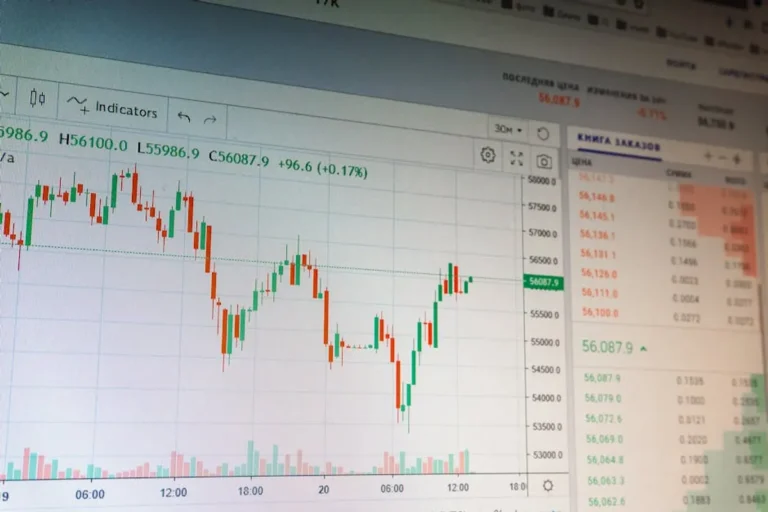
Examining ADA's historical performance often involves technical analysis, using indicators like moving averages (e.g., 50-day and 200-day Simple Moving Averages) to identify trend directions and potential support/resistance levels. Volume analysis helps confirm the strength of price movements, with high volume accompanying significant price changes suggesting stronger conviction. The Relative Strength Index (RSI) can indicate overbought or oversold conditions, providing signals for potential reversals. For example, sustained trading above its 200-day SMA often signals a bullish long-term trend, while a break below can suggest bearish momentum. Price action around key Fibonacci retracement levels after a major move can also offer insights into potential bounce or resistance points.
Network Development and On-Chain Activity
Beyond chart patterns, ADA's price trends are fundamentally linked to its network's utility and growth. Key metrics include:
- Total Value Locked (TVL): Measures the total amount of assets staked or locked into decentralized finance (DeFi) protocols on the Cardano blockchain. A rising TVL indicates increasing utility and user engagement, attracting capital.
- Transaction Volume and Fees: Consistent growth in daily transaction volume and collected network fees suggests organic usage and demand for block space, reflecting genuine adoption.
- Developer Activity: Tracking GitHub commits, new dApp deployments, and protocol upgrades provides insight into the health and innovation of the ecosystem. Active development fosters confidence in future utility.
- Staking Participation: Cardano's proof-of-stake model relies on staking. High staking participation rates (percentage of total ADA supply staked) demonstrate network security and investor commitment.
Navigating Cardano's Market Risks
Investing in Cardano, like any cryptocurrency, carries inherent risks that can impact its price outlook. Acknowledging these factors is crucial for a balanced perspective.
Regulatory Pressures and Competitive Landscape
The evolving global regulatory environment poses a significant risk. Unfavorable legislation regarding cryptocurrencies, stablecoins, or specific blockchain technologies could impact ADA's market accessibility and utility. Additionally, Cardano operates in a highly competitive Layer 1 blockchain space, vying for developer and user adoption against established players like Ethereum and emerging alternatives such as Solana and Avalanche. Each platform competes on scalability, transaction costs, security, and developer tooling. Failure to maintain a competitive edge in these areas could limit Cardano's growth potential.
Ecosystem Adoption and Scalability Challenges
While Cardano has a robust development roadmap, the pace of dApp adoption and user migration to its ecosystem remains a critical factor. Delays in key upgrades or a slower-than-anticipated influx of developers and users could dampen investor enthusiasm. Scalability, while addressed through solutions like Hydra, still needs to demonstrate real-world performance under high network load to compete effectively with centralized payment systems and other high-throughput blockchains. Perceived limitations in transaction speed or finality, even if temporary, can affect market sentiment.
Pro Tip: Diversify your portfolio. Relying solely on a single cryptocurrency, even one with strong fundamentals, exposes you to concentrated risk. A balanced approach across different asset classes and blockchain projects can mitigate the impact of adverse events affecting any single asset.
Interpreting Key Market Signals for ADA
Beyond fundamental analysis and technical charts, several market signals offer insights into ADA's short-to-medium term price movements.
Investor Sentiment and Social Engagement
Sentiment analysis, often derived from social media mentions, news coverage, and community forums, can provide a gauge of public perception. A surge in positive sentiment or increased social volume around Cardano can precede price rallies, while negative sentiment can signal potential downturns. Tools that track "fear and greed" indices or analyze keyword frequency in crypto discussions offer quantitative measures of this qualitative factor. However, these signals are often lagging indicators and can be manipulated, requiring careful interpretation.
Macroeconomic Factors and Broader Crypto Market
Cardano's price is not immune to broader macroeconomic trends. Factors such as inflation rates, interest rate decisions by central banks, and global economic stability can influence investor appetite for risk assets, including cryptocurrencies. During periods of economic uncertainty, capital often flows out of speculative assets. Furthermore, ADA's price frequently correlates with Bitcoin's movements. Bitcoin's dominance and its role as a bellwether for the entire crypto market mean that significant BTC price swings often drag other altcoins, including ADA, in the same direction. Monitoring the overall crypto market capitalization and Bitcoin's performance provides essential context for ADA's outlook.
Strategic Outlook for Cardano (ADA)
For those considering engagement with Cardano, a comprehensive approach involves continuous monitoring of its technological advancements, competitive positioning, and market sentiment. The long-term viability of ADA hinges on its ability to deliver on its ambitious roadmap, foster a vibrant developer ecosystem, and attract significant user adoption for its dApps. While short-term volatility is inherent, the underlying utility and ongoing development efforts represent the core drivers of its potential value. Evaluate ADA not just as a trading instrument, but as a technological project with specific goals and challenges.
FAQ: Common Questions on Cardano's Price
What factors primarily influence Cardano (ADA) price?
ADA's price is influenced by network development milestones, adoption rates of its decentralized applications, overall cryptocurrency market sentiment, regulatory news, and macroeconomic conditions.
Is Cardano a good long-term investment?
Long-term investment potential depends on Cardano's continued technological innovation, successful implementation of its roadmap (e.g., Voltaire era governance), increasing utility, and sustained ecosystem growth. Investors should assess these fundamentals against their personal risk tolerance.
How do I track Cardano's market signals?
You can track market signals by monitoring on-chain data (TVL, transaction volume), developer activity on GitHub, social media sentiment analysis, general cryptocurrency news, and macroeconomic indicators like interest rates and inflation.