Understanding the potential trajectory of HBAR, the native cryptocurrency of the Hedera Hashgraph network, requires a multi-faceted approach that moves beyond speculative forecasts. For site owners, marketers, and SEO professionals tracking emerging technologies or considering digital asset integration, a clear perspective on Hedera's fundamental value, tokenomics, and the market signals that influence its price is essential. This analysis aims to provide a structured framework for evaluating HBAR's outlook, focusing on verifiable data points and established market principles rather than ephemeral hype.
Hedera Hashgraph: Core Technology and Utility
Hedera Hashgraph distinguishes itself from traditional blockchain architectures through its use of a directed acyclic graph (DAG) consensus mechanism, specifically the hashgraph algorithm. This design offers several technical advantages that directly impact its commercial viability and, by extension, HBAR's long-term value proposition.
- Asynchronous Byzantine Fault Tolerance (aBFT): Hedera achieves high levels of security and finality, meaning transactions are confirmed quickly and cannot be reversed. This is critical for enterprise applications requiring robust data integrity.
- High Transaction Throughput: The hashgraph algorithm allows for significantly higher transaction speeds (TPS) compared to many legacy blockchains, making it suitable for high-volume use cases like microtransactions, data logging, and supply chain management.
- Low and Predictable Transaction Fees: Hedera's fee structure is designed to be stable and low, facilitating cost-effective operations for developers and users. This predictability reduces financial risk for businesses building on the network.
- Enterprise-Grade Governance: The Hedera Governing Council, comprising diverse global organizations, provides decentralized governance and stability, fostering trust and long-term strategic direction. This structure aims to prevent single points of failure or undue influence.
The utility of HBAR within this ecosystem is foundational. It serves as the primary mechanism for paying network transaction fees, securing the network through staking, and accessing network services such as smart contracts, file storage, and consensus services. The demand for these services directly correlates with the utility and adoption of the Hedera network, thereby influencing HBAR's intrinsic value.
HBAR Tokenomics and Supply Dynamics
The economic model surrounding HBAR, known as its tokenomics, plays a crucial role in its price dynamics. Understanding the total supply, circulating supply, and distribution schedule is vital for anticipating potential supply-side pressures or incentives.
Total Supply: The maximum supply of HBAR is capped at 50 billion tokens. This fixed cap provides a long-term scarcity model, similar to other finite digital assets.
Circulating Supply: HBAR tokens are released into circulation over time according to a predetermined schedule. These releases are influenced by factors such as network development, ecosystem grants, and operational needs. Significant, sudden increases in circulating supply without corresponding demand growth can exert downward pressure on price, while a controlled, gradual release can support stability.
Staking Rewards: HBAR holders can stake their tokens to help secure the network and earn rewards. This mechanism incentivizes long-term holding and reduces the immediate circulating supply available for trading, potentially mitigating selling pressure.
Monitoring the token release schedule and the percentage of HBAR locked in staking or other long-term commitments provides insight into the actual supply available in the market at any given time. This data is critical for assessing supply-demand equilibrium.
Key Market Signals for Price Prediction
While fundamental analysis of Hedera's technology and tokenomics provides a baseline, market signals offer real-time insights into HBAR's short-to-medium term price movements. These signals typically fall into technical analysis, on-chain metrics, and broader macroeconomic factors.
Technical Analysis (TA) Indicators
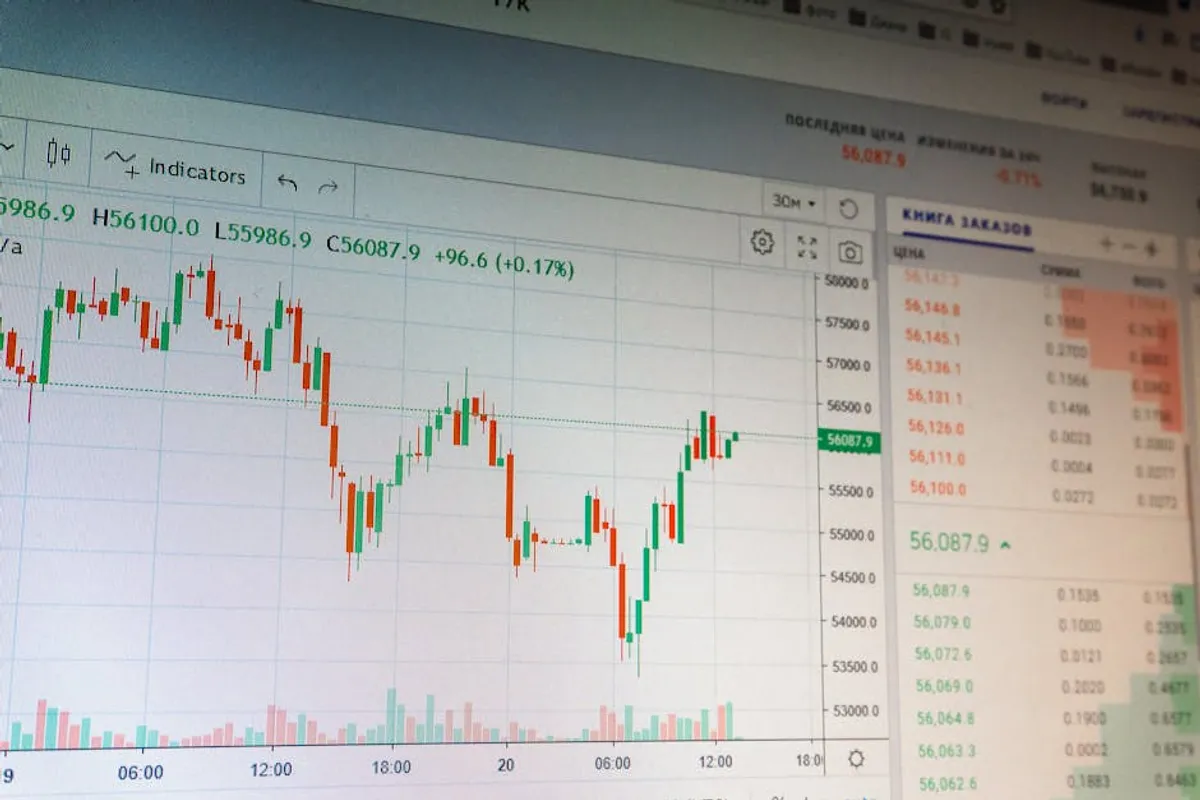
Technical analysis involves studying historical price and volume data to forecast future price directions. For HBAR, several indicators are commonly employed:
- Moving Averages (MA): Simple Moving Averages (SMA) or Exponential Moving Averages (EMA) help identify trends and potential support/resistance levels. A cross of a shorter-term MA above a longer-term MA (e.g., 50-day EMA over 200-day EMA) often signals bullish momentum.
- Relative Strength Index (RSI): This momentum oscillator measures the speed and change of price movements. An RSI above 70 typically indicates an overbought condition, while below 30 suggests an oversold condition, signaling potential reversals.
- Moving Average Convergence Divergence (MACD): The MACD indicator reveals the relationship between two moving averages of HBAR's price. Crossovers of the MACD line and signal line, along with divergences between the MACD and price, can indicate shifts in momentum and potential entry/exit points.
- Volume: Trading volume confirms the strength of price movements. A significant price increase on high volume suggests strong conviction, whereas a price increase on low volume may indicate weakness.
On-Chain Metrics
On-chain data provides a transparent view of network activity, offering insights into real-world adoption and utility:
- Active Addresses: An increase in the number of unique addresses interacting with the Hedera network indicates growing user engagement and potential demand for HBAR.
- Transaction Count: A rising number of transactions processed on the Hedera network signals increased utility and usage of its services, directly correlating with HBAR consumption for fees.
- Developer Activity: Consistent development on the Hedera GitHub repositories, new dApp deployments, and integration announcements suggest a healthy and expanding ecosystem, attracting new users and capital.
Macroeconomic and Sentiment Factors
Broader market conditions significantly influence individual asset prices, including HBAR:
- Overall Cryptocurrency Market Sentiment: HBAR's price often correlates with the performance of major cryptocurrencies like Bitcoin (BTC) and Ethereum (ETH). A bullish trend in the broader market can pull HBAR higher, while a downturn can exert negative pressure.
- Regulatory Developments: News regarding cryptocurrency regulation globally can impact investor confidence. Clear, supportive regulations can foster growth, while restrictive measures can create uncertainty.
- Global Economic Conditions: Inflation rates, interest rate changes, and geopolitical events can influence investor risk appetite, leading to shifts in capital allocation towards or away from speculative assets like cryptocurrencies.
Pro Tip: Relying solely on a single indicator or prediction model for HBAR can be misleading. Integrate fundamental analysis (Hedera's technology, use cases, governance) with technical and on-chain data to form a more robust investment thesis. Always conduct thorough due diligence and consider your personal risk tolerance before making any investment decisions.
Navigating Hedera's Future Outlook
The future outlook for HBAR is intrinsically linked to the continued expansion and adoption of the Hedera network. Key areas to monitor include:
- Ecosystem Growth: The successful deployment of new decentralized applications (dApps) and enterprise solutions on Hedera will drive demand for network services and, consequently, HBAR. Partnerships with established businesses and government entities are particularly impactful.
- Technological Advancements: Continuous protocol upgrades, improvements in scalability, and the introduction of new features outlined in Hedera's roadmap can enhance its competitive edge and attract further development.
- Developer Community Engagement: A vibrant and growing developer community is crucial for innovation and the creation of new use cases. Metrics like hackathon participation, developer grants, and open-source contributions are good indicators.
An informed assessment of HBAR's potential requires ongoing monitoring of these factors, understanding that the digital asset market is dynamic and subject to rapid shifts.
Frequently Asked Questions
What is Hedera Hashgraph?
Hedera Hashgraph is a public distributed ledger technology (DLT) that uses a unique consensus algorithm called hashgraph, offering high transaction speeds, low fees, and enterprise-grade security for various decentralized applications and services.
What drives HBAR's value?
HBAR's value is driven by its utility within the Hedera network, serving as payment for transaction fees, staking for network security, and accessing network services. Its value also reflects the overall adoption and growth of the Hedera ecosystem.
How reliable are HBAR price predictions?
HBAR price predictions, like those for most cryptocurrencies, are inherently speculative due to market volatility, regulatory uncertainty, and rapid technological changes. They should be used as one data point among many, not as guaranteed financial advice.
Can I stake HBAR?
Yes, HBAR holders can stake their tokens to participate in network security and consensus, earning rewards in return. This process contributes to the decentralization and stability of the Hedera network.