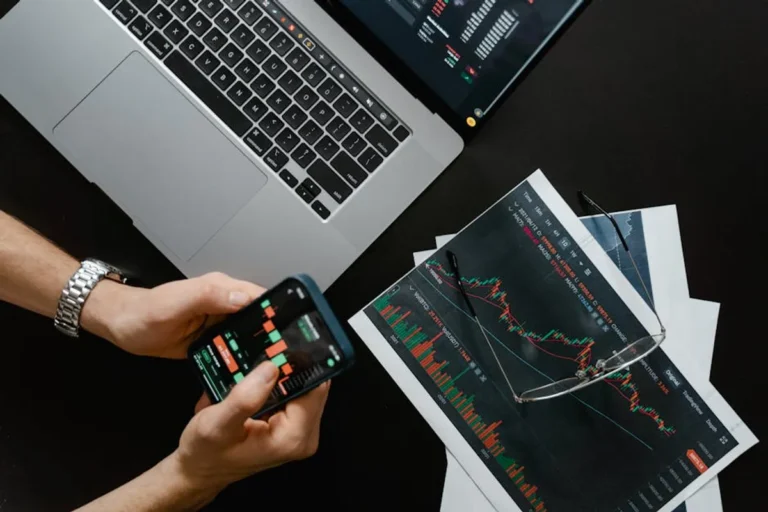

Dow Jones Futures provide a critical lens into market sentiment and potential direction before the official trading session begins. For investors, traders, and businesses, understanding these signals offers a distinct advantage in anticipating market shifts, managing risk, and positioning assets. This pre-market indicator reflects immediate reactions to global events, economic data, and corporate news, translating directly into actionable insights for strategic decision-making.
Understanding Dow Jones Futures Contracts
Dow Jones Futures are derivative contracts that allow participants to buy or sell the Dow Jones Industrial Average (DJIA) at a predetermined price on a future date. Unlike the DJIA itself, which tracks the performance of 30 large, publicly traded U.S. companies during market hours, futures trade nearly 24 hours a day, five days a week. This extended trading window makes them a primary gauge of market sentiment outside of standard U.S. trading hours.
Their primary function extends beyond simple speculation. Futures contracts are widely used for:
- Hedging: Large institutional investors and portfolio managers use futures to protect existing equity holdings against potential market downturns. By selling futures, they can offset losses in their physical stock portfolios if the market declines.
- Price Discovery: The continuous trading of futures helps establish a fair value for the underlying index before the stock market opens, providing a benchmark for opening prices.
- Speculation: Traders use futures to profit from anticipated price movements in the broader market, leveraging smaller capital outlays compared to direct stock purchases.
- Risk Management: Futures offer a mechanism to adjust market exposure quickly and efficiently, aiding in dynamic portfolio management.
Key Market Signals from Futures Activity
Monitoring Dow Jones Futures provides several distinct signals that inform market participants about impending conditions:
Pre-market Direction and Momentum
The most immediate signal is the pre-market movement of futures contracts. If Dow Jones Futures are trading significantly higher or lower than the previous day's close, it indicates strong buying or selling pressure that is likely to influence the DJIA's opening price. A consistent upward trend in futures prices throughout the pre-market session suggests bullish sentiment, while a downward trend points to bearish expectations.
Volatility Indicators
Rapid and erratic price swings in futures contracts often signal increased market volatility. Large, sudden moves on relatively high volume can precede significant shifts in the broader market. This heightened activity can be a precursor to major news announcements, economic data releases, or geopolitical developments that are expected to impact investor confidence. Traders use this to prepare for wider trading ranges and potential breakout opportunities or increased risk.
Reaction to Economic Data Releases
Futures markets react instantaneously to major economic reports, such as inflation data (CPI), employment figures (non-farm payrolls), GDP reports, and Federal Reserve announcements. These reactions occur well before the U.S. stock market opens, offering an early indication of how investors are interpreting the data. For instance, a stronger-than-expected jobs report might send futures higher, reflecting optimism about economic growth, while higher-than-anticipated inflation could push them lower due to concerns about interest rate hikes.
Global Market Influence
Dow Jones Futures often reflect the sentiment and performance of Asian and European markets overnight. If major indices in these regions experience significant gains or losses, Dow Jones Futures will typically mirror that sentiment, acting as a barometer for global economic health and investor confidence. This interconnectedness means that a crisis in one region can quickly propagate to U.S. market expectations via futures trading.
Interpreting Price and Volume Dynamics
Price Action Analysis
Beyond simple directional movement, the specific price action within futures trading provides deeper insights. Sustained trading above key resistance levels or below support levels, for example, can indicate a stronger conviction among market participants. Observing how futures react to previous day's highs and lows, or to significant moving averages, offers context for potential trend continuations or reversals.
Volume and Open Interest
Volume in futures trading refers to the number of contracts traded over a specific period. High volume accompanying a price move suggests stronger conviction behind that move, making the signal more reliable. Conversely, a large price move on low volume might be less significant, potentially indicating a temporary fluctuation rather than a fundamental shift. Open interest, the total number of outstanding futures contracts not yet settled, can also provide insight into the strength of a trend. Rising open interest alongside rising prices often confirms a bullish trend, while declining open interest during a price rise might suggest short covering rather than new buying.
Pro Tip: Never interpret Dow Jones Futures in isolation. Always cross-reference futures movements with broader economic news, corporate earnings calendars, and global market performance. A significant futures move without a clear catalyst should be treated with caution until underlying reasons become apparent.
Commercial Applications for Market Participants
For Traders
Traders leverage futures signals for strategic entry and exit points. A strong pre-market indication can inform day trading strategies, setting initial biases for long or short positions. Futures also provide a means to gauge potential gaps at market open, allowing traders to adjust their pre-market orders or prepare for increased volatility immediately after the opening bell.
For Investors and Portfolio Managers
Investors use futures to assess overall market sentiment and adjust portfolio risk. If futures consistently indicate a strong downturn, a portfolio manager might consider defensive strategies, such as increasing cash positions or hedging with options. Conversely, sustained positive futures signals can reinforce conviction in growth-oriented investments or prompt rebalancing towards riskier assets.
For Businesses and Corporate Strategists
Businesses, particularly those sensitive to economic cycles or commodity prices, monitor Dow Jones Futures as a leading economic indicator. Consistent negative futures performance might signal an impending economic slowdown, prompting adjustments to capital expenditure plans, inventory management, or hiring strategies. Conversely, strong futures performance can support expansion plans or aggressive market entry.
Strategic Market Positioning
Integrating Dow Jones Futures analysis into a comprehensive market strategy requires consistent monitoring and contextual understanding. Focus on the confluence of signals: a significant futures move backed by high volume, reacting to a major economic report, and aligning with global market trends provides a more robust indication than any single factor alone.
Develop a structured approach to futures data:
- Establish Baselines: Understand typical daily fluctuations versus significant deviations.
- Identify Catalysts: Always seek the underlying reason for a futures move (e.g., earnings, Fed speech, geopolitical news).
- Contextualize with Broader Data: Compare futures performance to other indices, sector performance, and bond yields.
- Risk Management: Use futures insights to inform stop-loss levels, position sizing, and overall portfolio exposure.
By treating Dow Jones Futures as an integral part of your market intelligence, you can enhance your ability to anticipate market movements and make more informed, timely decisions.
Frequently Asked Questions About Dow Jones Futures
What is the difference between Dow Jones Futures and the DJIA?
The Dow Jones Industrial Average (DJIA) is a stock market index that tracks 30 large U.S. companies during regular trading hours. Dow Jones Futures are derivative contracts that allow traders to bet on the future value of the DJIA, trading almost 24/5, providing price discovery and sentiment indication outside of standard market hours.
How do economic reports impact Dow Jones Futures?
Major economic reports like CPI, jobs data, and GDP figures often cause immediate and significant movements in Dow Jones Futures. These movements reflect how market participants are interpreting the data's potential impact on corporate earnings, interest rates, and overall economic growth, often before the main stock market opens.
Can Dow Jones Futures predict the market open accurately?
Dow Jones Futures provide a strong indication of where the DJIA is likely to open, but they are not a perfect predictor. Unexpected news or shifts in sentiment during the final hours before the market open can still alter the actual opening price. They serve as a primary guide, reflecting pre-market sentiment.
Why do institutions use Dow Jones Futures for hedging?
Institutions use Dow Jones Futures for hedging to protect their existing stock portfolios against potential market downturns. By selling futures contracts, they can offset losses in their equity holdings if the overall market declines, effectively reducing their exposure to systemic risk.