
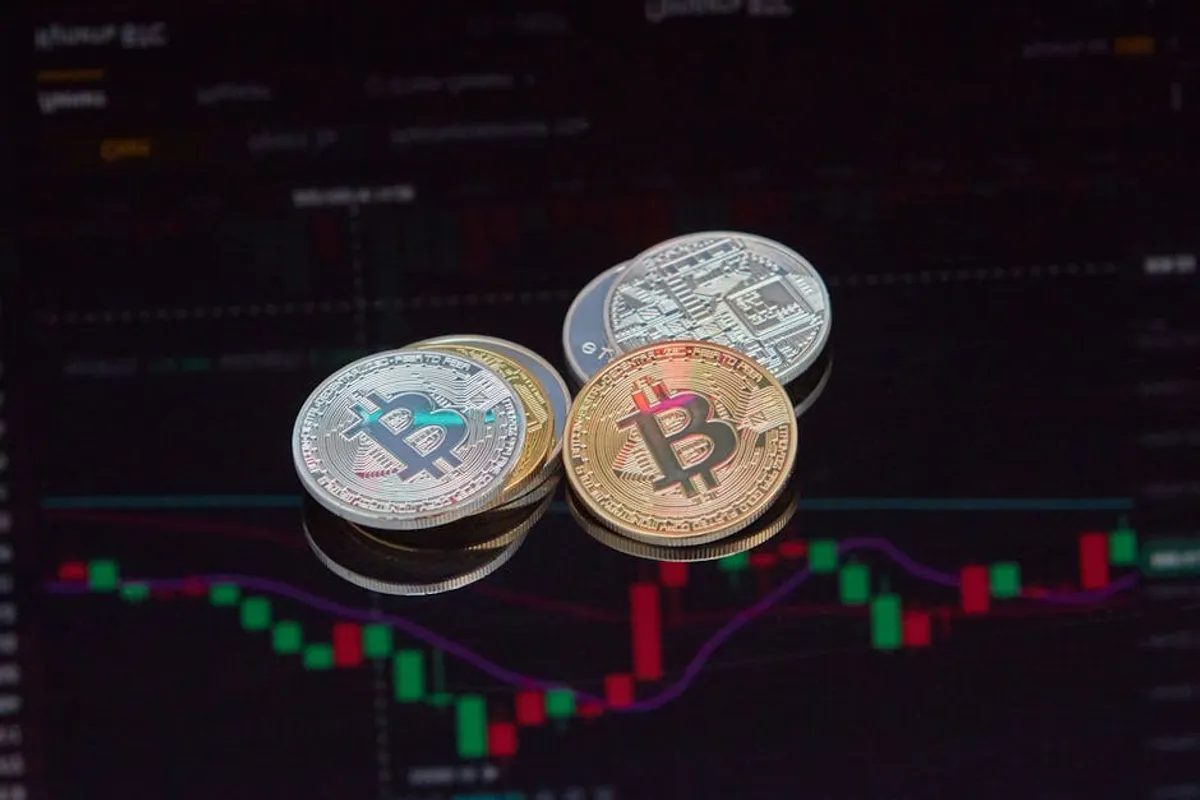
Bitcoin's price movements are a critical indicator for a broad spectrum of market participants, ranging from individual investors managing digital asset portfolios to businesses evaluating cryptocurrency integration for payments or treasury management. Understanding the current market dynamics, prevailing trends, and underlying drivers is essential for informed decision-making in this volatile asset class. The daily fluctuations in Bitcoin's value are not arbitrary; they reflect a complex interplay of economic forces, technological developments, and shifting market sentiment, each carrying commercial implications for those operating within or adjacent to the digital economy. Similarly, understanding ethereum's market dynamics can offer insights into the broader altcoin landscape and potential future trends.
Current Bitcoin Market Snapshot
Price Action and Volume Metrics
Monitoring Bitcoin's real-time price action involves more than just observing its dollar value. Key metrics include the 24-hour trading volume, which indicates market liquidity and the conviction behind price movements. A high volume accompanying a significant price shift suggests stronger validation. Conversely, low volume during a price swing can signal a less sustainable movement. Market capitalization, calculated by multiplying the current price by the circulating supply, provides an overall measure of Bitcoin's market dominance and relative size within the broader cryptocurrency ecosystem. Daily and weekly percentage changes offer immediate context on short-term performance, informing tactical entry or exit points for traders.
Market Capitalization Context
Bitcoin's market capitalization frequently positions it as the largest cryptocurrency by a significant margin. This dominance influences the entire digital asset market, with many altcoins often correlating with Bitcoin's performance. A substantial market cap also implies a certain level of institutional acceptance and liquidity, which can be attractive to larger investors. However, even with a high market cap, Bitcoin's value can experience rapid shifts, necessitating continuous monitoring for any stakeholder whose operations or investments are exposed to its performance.
Dominant Trends Shaping Bitcoin's Value
Short-Term Technical Indicators
For short-term analysis, market participants often rely on technical indicators to identify potential price directions. Moving averages (e.g., 50-day, 200-day) help smooth out price data to identify trend direction. Crossovers between different moving averages can signal shifts in momentum. The Relative Strength Index (RSI) indicates overbought or oversold conditions, while Bollinger Bands measure volatility and potential price reversals. These tools provide a framework for anticipating immediate price movements, though they are not predictive guarantees. Their utility lies in identifying patterns that have historically preceded certain market behaviors.
Long-Term Adoption and Infrastructure
Beyond daily trading, long-term trends underscore Bitcoin's evolving role. Increasing institutional adoption, such as corporations adding Bitcoin to their balance sheets or the proliferation of Bitcoin exchange-traded funds (ETFs), signifies growing mainstream acceptance and provides new avenues for capital inflow. Developments in infrastructure, including improved scaling solutions (like the Lightning Network) and enhanced regulatory clarity in major jurisdictions, contribute to Bitcoin's utility and perceived stability. These trends are critical for investors and businesses considering a strategic, multi-year involvement with digital assets, as they can fundamentally alter the supply-demand dynamics and risk profile of Bitcoin.
Primary Drivers of Bitcoin Price Volatility
Bitcoin's price is influenced by a confluence of interconnected factors:
- Supply-Side Dynamics: The programmed halving events, occurring approximately every four years, reduce the rate at which new Bitcoin enters circulation. This scarcity mechanism, combined with increasing mining difficulty, creates a deflationary pressure that historically impacts price.
- Macroeconomic Conditions: Global inflation rates, interest rate decisions by central banks, and the overall health of traditional financial markets directly influence investor appetite for alternative assets like Bitcoin. During periods of high inflation or economic uncertainty, Bitcoin is sometimes viewed as a hedge, while rising interest rates can make riskier assets less attractive.
- Regulatory Developments: Government stances on cryptocurrency, including new legislation, taxation policies, or outright bans, significantly impact market sentiment and investor confidence. Regulatory clarity, such as the approval of spot Bitcoin ETFs in major markets, can unlock substantial institutional capital.
- Institutional Adoption: The entry of large financial institutions, corporate treasuries, and sovereign wealth funds into the Bitcoin market provides significant buying pressure and lends legitimacy to the asset class. Their investment decisions often involve substantial capital allocations.
- Technological Advancements: Updates to the Bitcoin protocol, improvements in network security, or the development of new applications built on Bitcoin (e.g., Ordinals) can enhance its utility and appeal, driving demand.
- Geopolitical Events: Global conflicts, political instability, or sanctions can lead to capital flight into decentralized, censorship-resistant assets like Bitcoin, especially in regions facing economic uncertainty.
- Market Sentiment and News: Social media trends, prominent endorsements, and major news headlines (positive or negative) can trigger rapid shifts in market sentiment, leading to speculative buying or selling pressure.
Pro Tip: When evaluating Bitcoin price drivers, prioritize regulatory shifts and institutional adoption. While macroeconomic factors set the broader context, specific regulatory approvals (e.g., spot ETFs) or major corporate balance sheet allocations often act as immediate, high-impact catalysts for significant price movements due to the sheer volume of capital they represent.
Strategic Considerations for Market Participants
For investors, understanding these drivers aids in portfolio allocation and risk management. Businesses considering Bitcoin for transactions or as a treasury asset must weigh its volatility against potential benefits like censorship resistance and global reach. Monitoring regulatory landscapes is crucial for compliance and operational stability. For marketers and SEO professionals, comprehending the audience's interest in these drivers helps in content strategy, ensuring relevant information is provided to those tracking Bitcoin's commercial implications.
Best for: Investors seeking to diversify portfolios with digital assets; businesses exploring cryptocurrency payment rails or treasury management; content creators aiming to inform audiences about digital asset economics.
Navigating Bitcoin's Future: Key Takeaways
Bitcoin's price today is a reflection of ongoing supply-demand dynamics, global economic forces, and evolving market sentiment. Its future trajectory will continue to be shaped by its fixed supply schedule, the pace of institutional integration, and the clarity of regulatory frameworks worldwide. Market participants must maintain a dynamic perspective, recognizing that while short-term volatility is inherent, long-term trends in adoption and infrastructure development provide a broader context for its enduring value proposition. Strategic engagement requires continuous analysis of both micro-level technical indicators and macro-level economic and political shifts. Continuous analysis of both micro- and macro-economic factors will be key to navigating xrp's price action and overall market position.
Frequently Asked Questions
What are the main factors driving Bitcoin's price?
Bitcoin's price is primarily driven by its fixed supply, global demand (influenced by institutional adoption and retail interest), macroeconomic conditions (inflation, interest rates), regulatory developments, and significant geopolitical events.
How do halving events impact Bitcoin's price?
Halving events reduce the reward for mining new blocks by half, effectively cutting the supply of new Bitcoin entering the market. Historically, these events have preceded significant price increases due to the increased scarcity.
Is Bitcoin considered a safe-haven asset?
Bitcoin's status as a safe-haven asset is debated. While some view it as a hedge against inflation or traditional financial instability due to its decentralized nature, its price volatility suggests it carries significant risk, especially in the short term.
What role does institutional investment play in Bitcoin's value?
Institutional investment, through vehicles like ETFs or direct corporate holdings, brings substantial capital into the market, increases liquidity, and lends credibility to Bitcoin as an asset class, often leading to upward price pressure and reduced volatility.